⚠️ East Coast Endangered Species

These species are for viewing and photography ONLY. It is illegal to hunt, disturb, bait, chase, harass, handle, capture, harm, or remove any protected, threatened, or endangered species.

Do not impede on animal habitats. Stay on marked trails, respect posted closures, keep your distance, and never share precise locations of sensitive species. The rule is simple: capture if you see — then leave it wild.

Federal laws (the Endangered Species Act, Marine Mammal Protection Act, Migratory Bird Treaty Act, and Bald and Golden Eagle Protection Act) and state laws carry serious penalties. Always check current rules from your state wildlife agency before heading out.

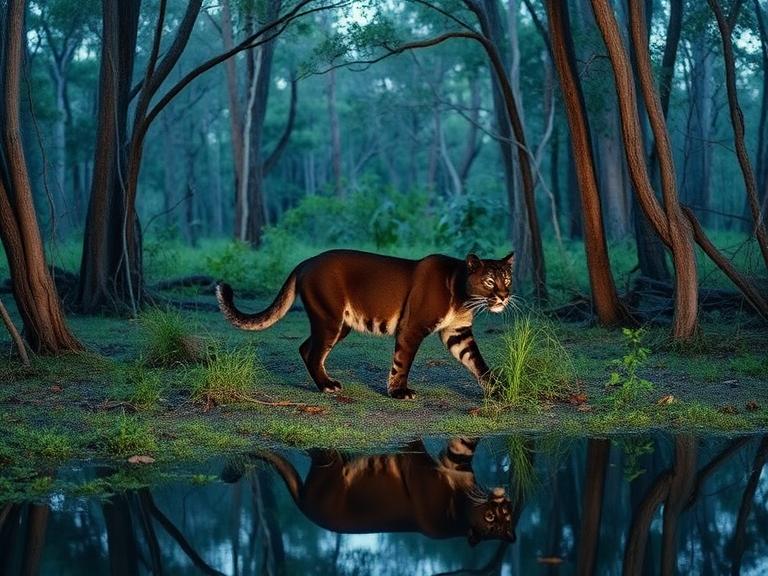
Florida PantherEndangered

Florida Panther

Florida

South Florida: Big Cypress, Everglades region, Florida Panther NWR, and large ranch/swamp/forest corridors.

How to view: Extremely rare to see. Best chance is dawn/dusk from roads or refuge trails with a long lens. Never follow tracks off-trail or approach one.

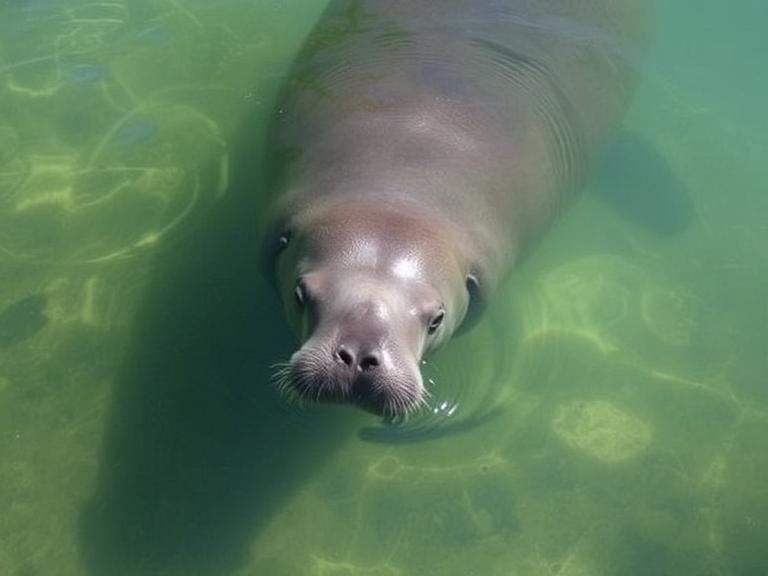
Florida ManateeThreatened

Florida Manatee

Florida, Georgia coast

Warm springs, rivers, and coastal waters; winter refuges like Crystal River and Blue Spring State Park.

How to view: View from boardwalks, kayaks, or designated swim areas only. Never touch, chase, feed, corner, or block a manatee. Obey all slow-speed zones.

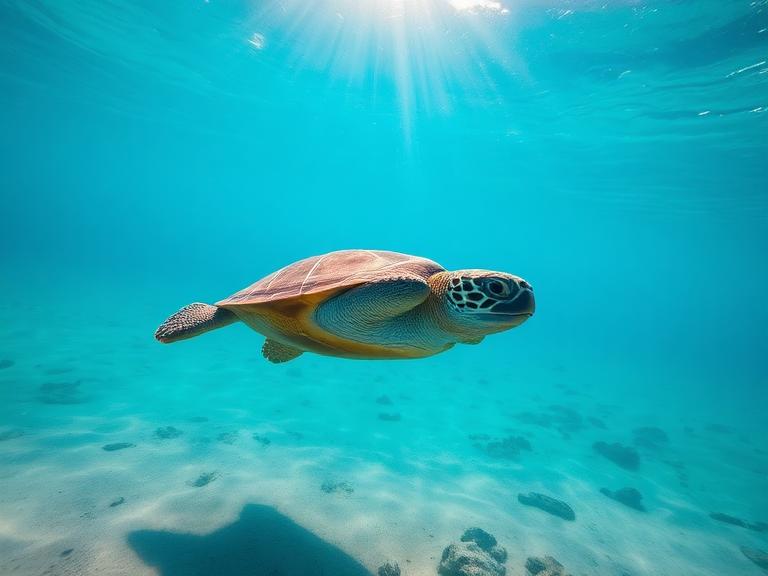
Loggerhead Sea TurtleThreatened

Loggerhead Sea Turtle

Florida, Georgia, New York coastal waters

Atlantic beaches and coastal waters; Florida hosts the largest nesting population in the world.

How to view: Join legal guided turtle walks only. No flash, no lights, no walking near nests or hatchlings. Fill in holes and flatten sandcastles before leaving the beach.

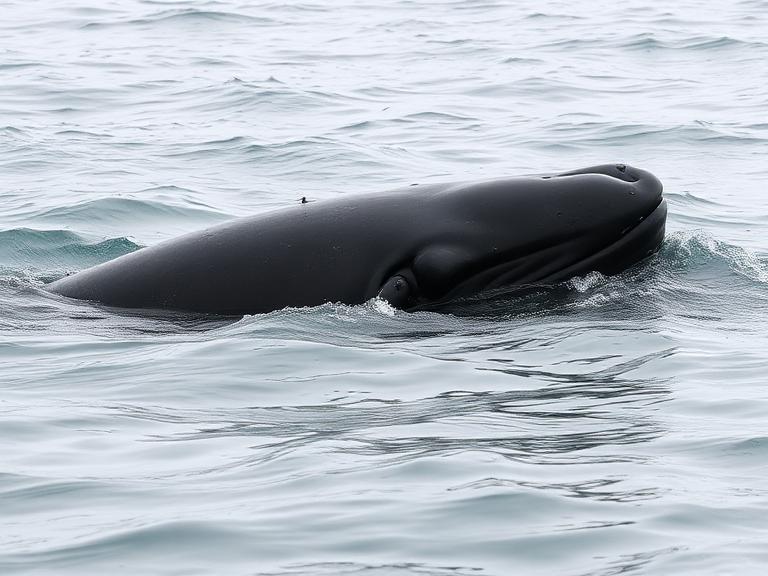
North Atlantic Right WhaleCritically Endangered

North Atlantic Right Whale

Florida, Georgia, New York coastal waters

Calving grounds off Florida/Georgia in winter; feeding waters off New York and New England.

How to view: Federal law requires staying at least 500 yards away — by boat, drone, or any means. Photograph only from shore or legal distance. Report sightings to NOAA.

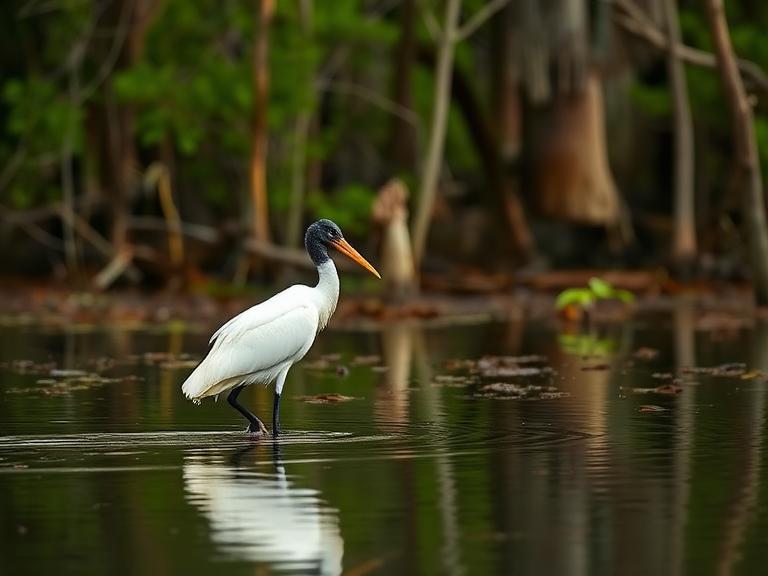
Wood StorkThreatened

Wood Stork

Florida, Georgia

Cypress swamps, wetlands, and coastal marshes; nesting colonies in protected rookeries.

How to view: Photograph feeding birds from trails and boardwalks. Never enter or fly drones near rookery islands during nesting season.

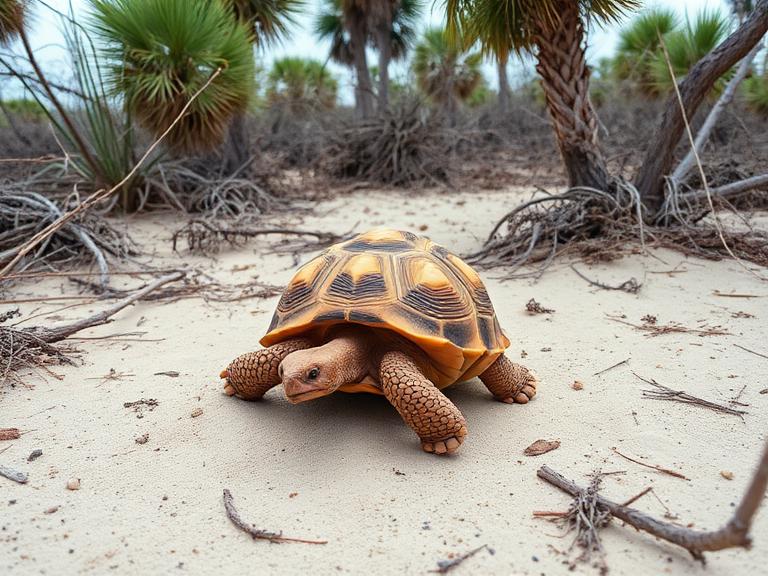
Gopher TortoiseThreatened

Gopher Tortoise

Florida, Georgia

Sandy uplands, scrub, and pine flatwoods. Its burrows shelter 350+ other species.

How to view: Photograph from a distance and never handle one or disturb a burrow. If one is crossing a road, you may move it across in the direction it was heading — nothing more.

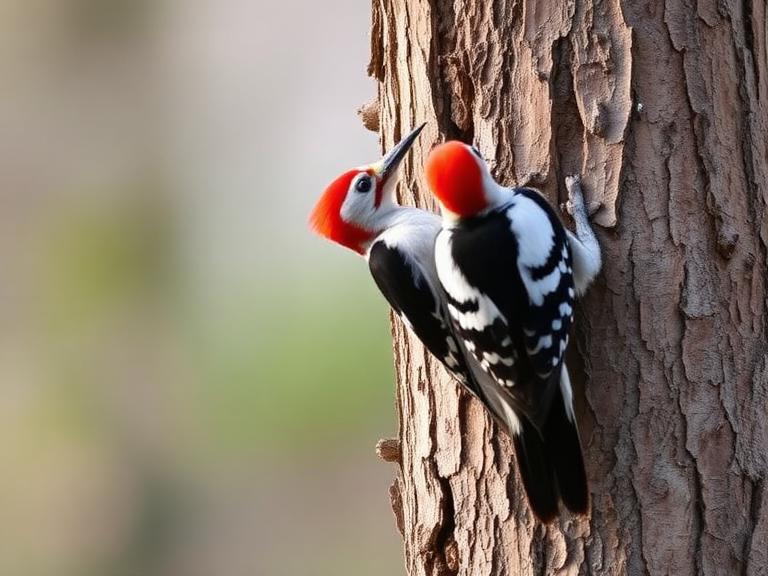
Red-cockaded WoodpeckerThreatened

Red-cockaded Woodpecker

Florida, Georgia

Mature longleaf and other old pine forests; excavates cavities in living pine trees.

How to view: Look from marked trails in pine preserves. Photograph cavity trees from a distance; do not tap trees or use playback calls near nest clusters.

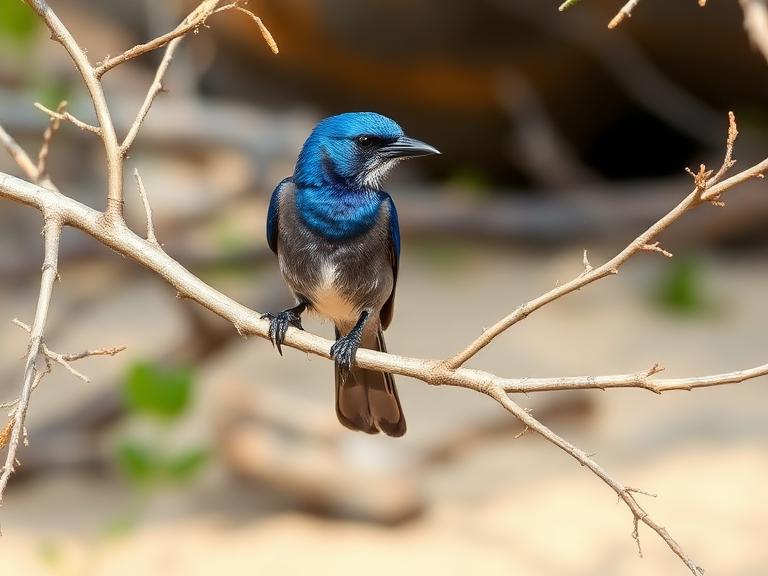
Florida Scrub-JayThreatened

Florida Scrub-Jay

Florida

Florida's ancient scrub ridges — the only bird species found nowhere else on Earth but Florida.

How to view: Visit protected scrub preserves. Never feed scrub-jays — it's illegal and teaches them to approach roads where many are killed.

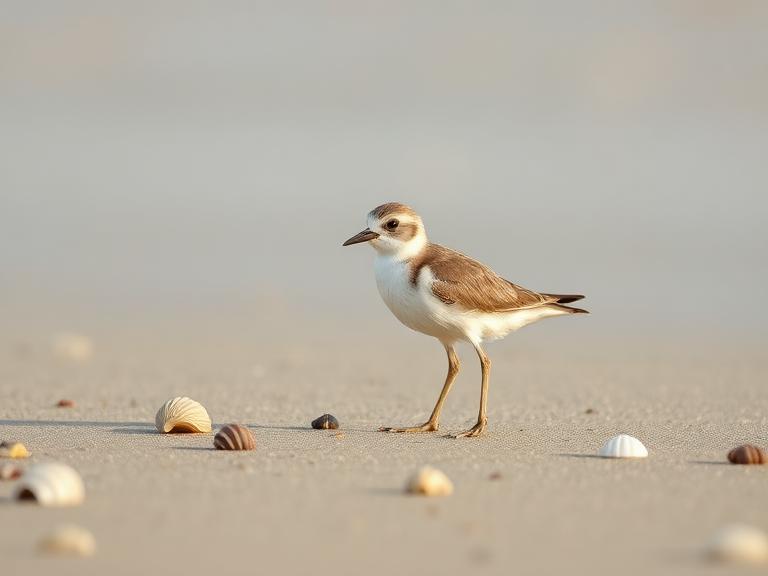
Piping PloverThreatened / Endangered (Great Lakes population)

Piping Plover

New York, Florida, Georgia beaches

Atlantic beaches, inlets, tidal flats, and sandbars.

How to view: Respect all posted beach closures. Stay well outside roped nesting areas, keep dogs leashed, and never push feeding shorebirds into flight.

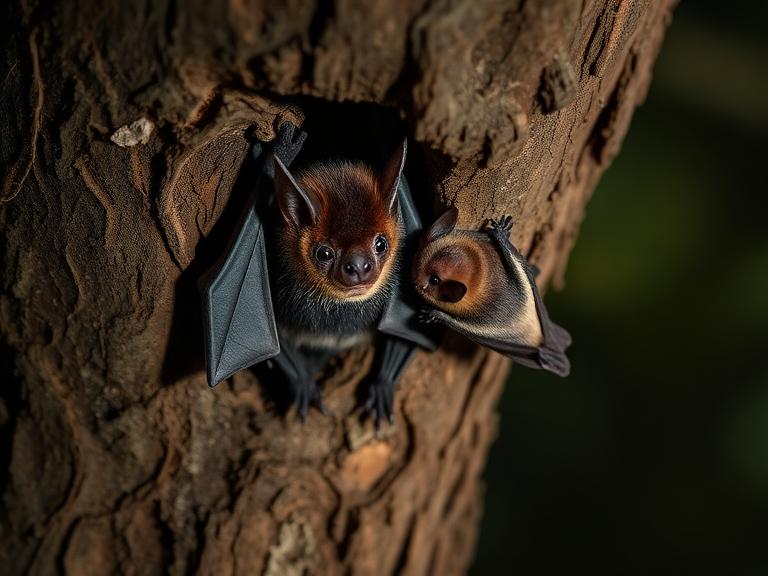
Indiana BatEndangered

Indiana Bat

Pennsylvania, New York

Summer roosts under loose tree bark; winter hibernation in caves and mines.

How to view: Never enter caves or mines posted for bat protection — human disturbance during hibernation is deadly. Photograph evening emergences from a distance.

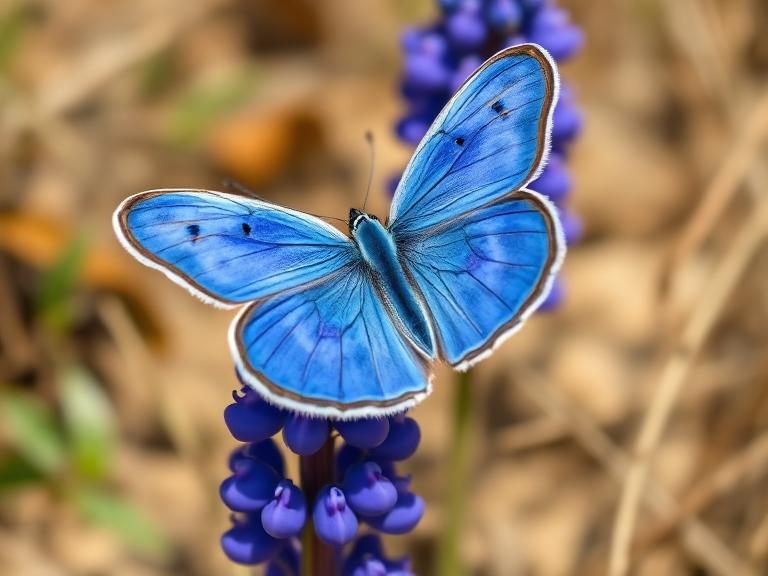
Karner Blue ButterflyEndangered

Karner Blue Butterfly

New York

Sandy pine barrens with wild lupine, especially the Albany Pine Bush.

How to view: Stay on trails — caterpillars live only on wild lupine, and a single footstep off-trail can crush the next generation.

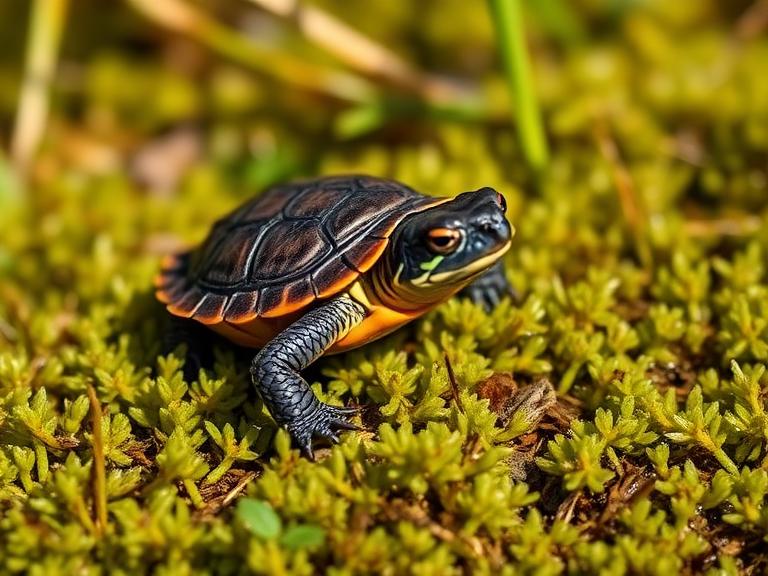
Bog TurtleThreatened

Bog Turtle

Pennsylvania, New York, Georgia

Sunny wet meadows and sphagnum fens — North America's smallest turtle.

How to view: Locations are kept secret to stop poaching. If you find one, photograph in place, never post the location, and report the sighting to your state wildlife agency.

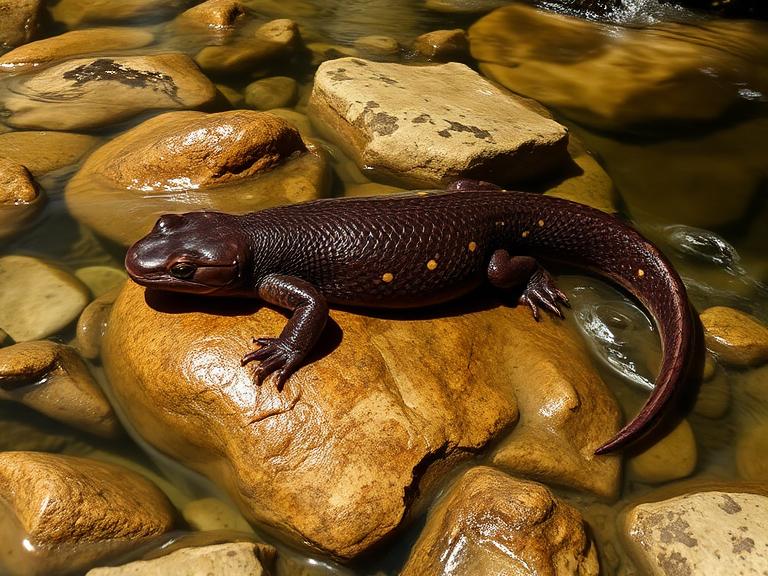
Eastern HellbenderEndangered (NY) / Protected (PA)

Eastern Hellbender

Pennsylvania, New York

Clean, fast-flowing rocky rivers. Pennsylvania's official state amphibian.

How to view: Never flip rocks in hellbender streams — you destroy their homes and nests. Photograph through clear water from above only.

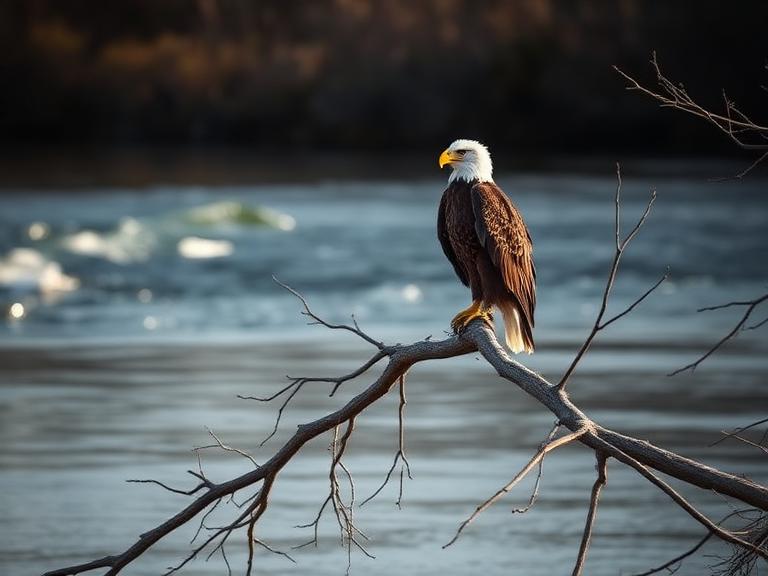
Bald EagleFederally protected (recovered)

Bald Eagle

All four states

Rivers, lakes, and reservoirs — one of America's greatest comeback stories.

How to view: Still fully protected by the Bald and Golden Eagle Protection Act. Stay at least 330 feet from nests and never cause an eagle to flush.