The Swamp Kingdom

Florida

Gators, panthers, pythons, and the wildest wetlands in America. Florida kicks off the Great OutQuack with the deepest roster on the east coast.

Trimester 1 Β· Live Now

Special Category: Swamp Legends

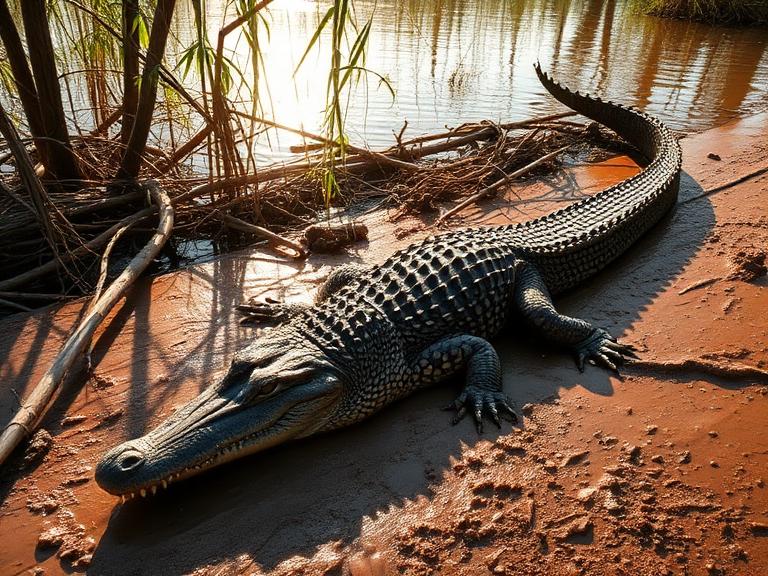
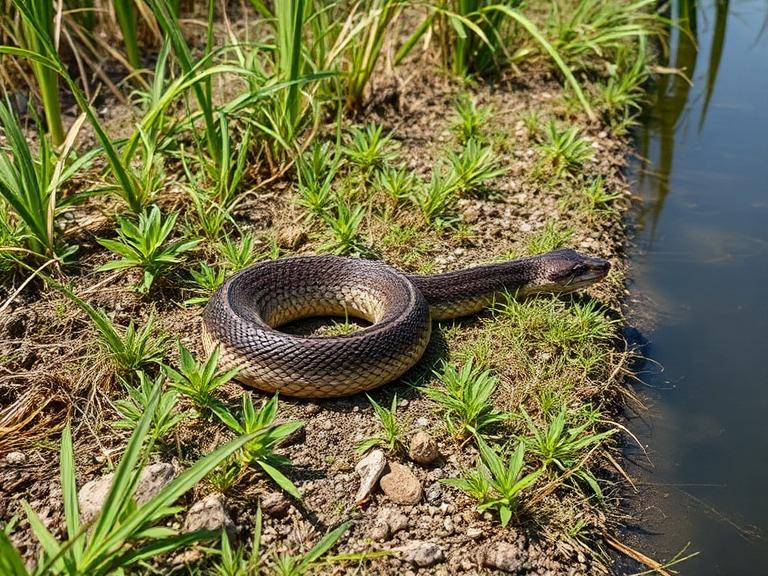
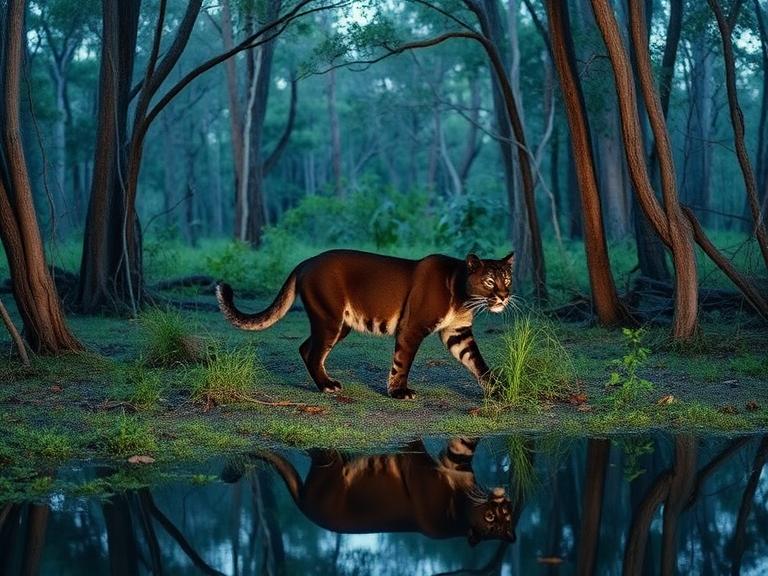
This trimester's special Florida category: capture the icons of the swamp β€” alligator, Burmese python, or the ghost of the Everglades, the Florida panther (long lens, viewing distance only).

American Alligator

American Alligator

Burmese Python

Burmese Python

Florida Panther

Florida Panther

The Florida Roster

Every species counts toward the leaderboard. Watch-only species are protected β€” long lens, full distance, zero disturbance.

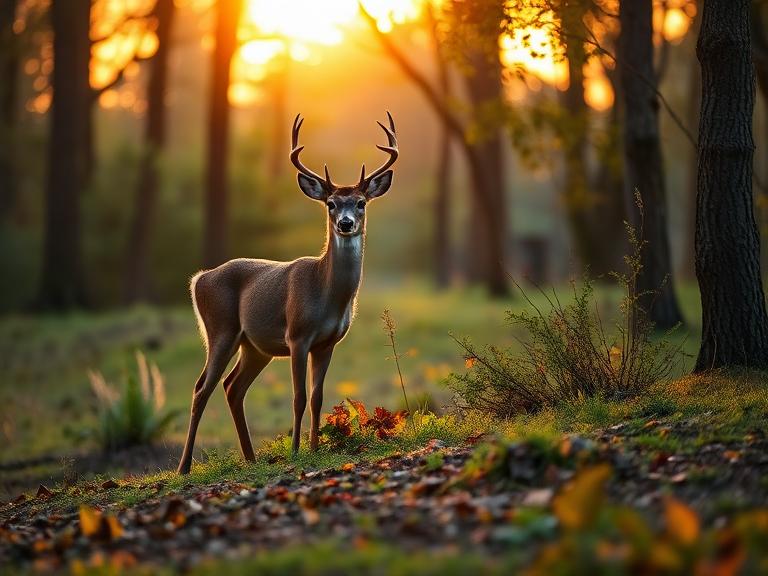
White-tailed DeerClassic capture

White-tailed Deer

Odocoileus virginianus

The east coast's most iconic big game animal. Most active at dawn and dusk, browsing on leaves, acorns, grasses, and crops. Watch field edges and travel corridors between bedding cover and food.

Where: Pinewoods, oak hammocks, farm edges, hardwood bottoms, and swamp margins across all four states.

Fun fact of the day: A whitetail can leap 8 feet high and clear 30 feet in a single bound β€” keep that shutter speed up.

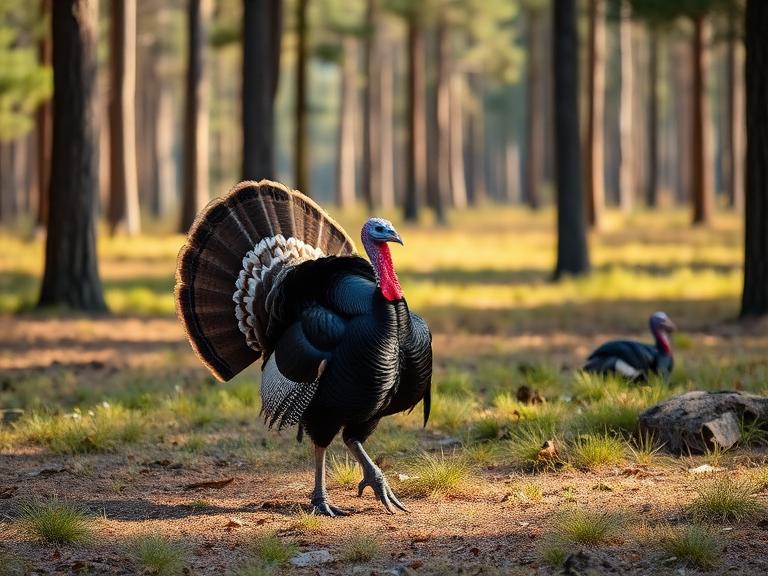
Wild TurkeyClassic capture

Wild Turkey

Meleagris gallopavo

Roosts in trees at night and feeds in openings on insects, acorns, and seeds. Famously sharp eyesight β€” camouflage and patience are your best lenses.

Where: Pine and hardwood mixes, creek bottoms, farms, and open woods. Osceola subspecies in central/south Florida; Eastern subspecies northward.

Fun fact of the day: Turkeys can see nearly 270 degrees around themselves and detect movement three times better than humans.

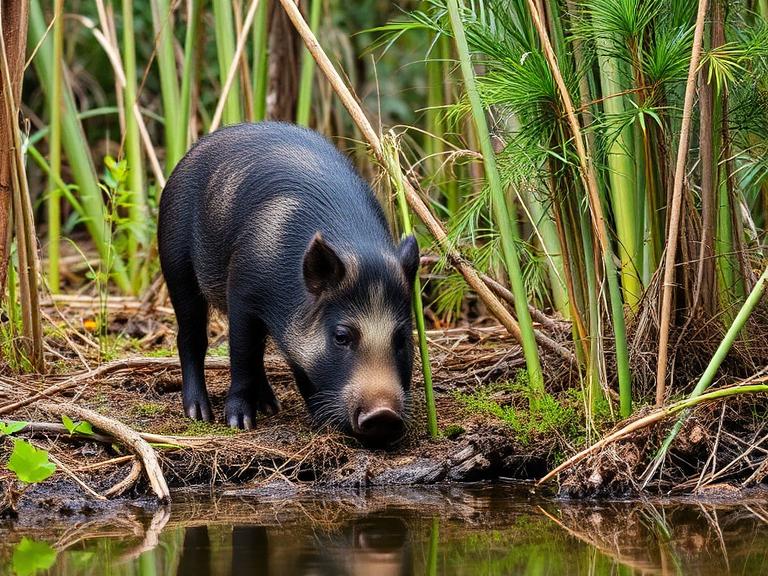
Wild HogInvasive β€” photograph freely

Wild Hog

Sus scrofa

An invasive rooter that travels in groups called sounders, feeding on plants, acorns, and insects. Look for fresh rooting and muddy wallows to find them.

Where: Swamps, farms, ranches, palmetto thickets, river bottoms, and oak woods across Florida and Georgia.

Fun fact of the day: A wild hog's sense of smell can detect food up to 25 feet underground.

American AlligatorKeep your distance

American Alligator

Alligator mississippiensis

A living dinosaur that basks on banks and hunts fish, birds, and mammals. Most active in warm weather. Photograph from a safe distance β€” never approach or feed.

Where: Lakes, rivers, marshes, retention ponds, and wetlands across Florida and south Georgia.

Fun fact of the day: Alligators have been around for about 37 million years β€” they outlived the dinosaurs they resemble.

Burmese PythonInvasive β€” report sightings

Burmese Python

Python bivittatus

A massive invasive ambush constrictor devastating native wildlife in the Everglades. A photo of one in the wild is a rare and valuable capture β€” report sightings to FWC.

Where: South Florida: the Everglades, Big Cypress, levees, canals, and marsh edges.

Fun fact of the day: Pythons can go months between meals, then swallow prey five times the width of their own head.

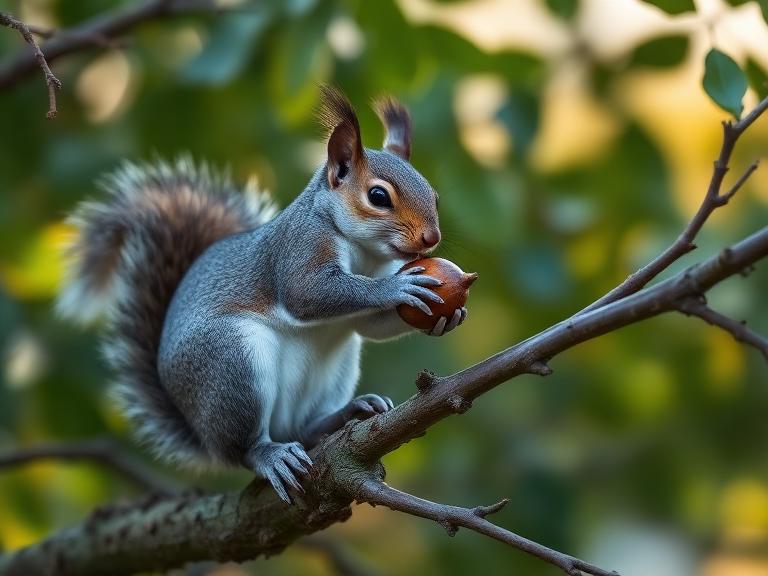
Gray SquirrelClassic capture

Gray Squirrel

Sciurus carolinensis

The everyday acrobat of the eastern woods, feeding on acorns, nuts, and seeds, busiest in the mornings. A perfect species to practice your capture skills.

Where: Hardwood hammocks, oak woods, river bottoms, and city edges in every state.

Fun fact of the day: Gray squirrels bury thousands of acorns each fall and forget many β€” accidentally planting entire forests.

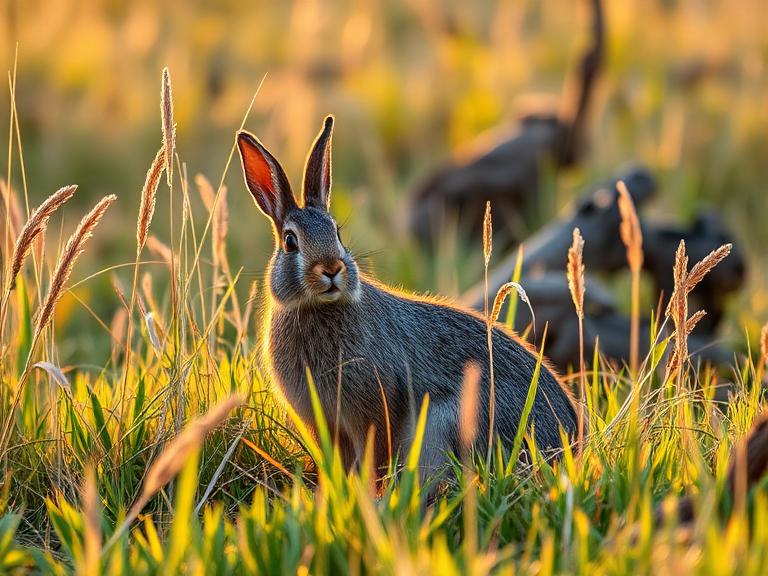
Cottontail RabbitClassic capture

Cottontail Rabbit

Sylvilagus floridanus

Hides tight in cover and feeds in the evening and early morning on grasses and weeds. When flushed it runs in short zig-zags β€” anticipate the pause for your shot.

Where: Brush piles, field edges, palmetto, old farms, briars, and grassy cover.

Fun fact of the day: A cottontail can hit 18 mph and almost always circles back to where it started.

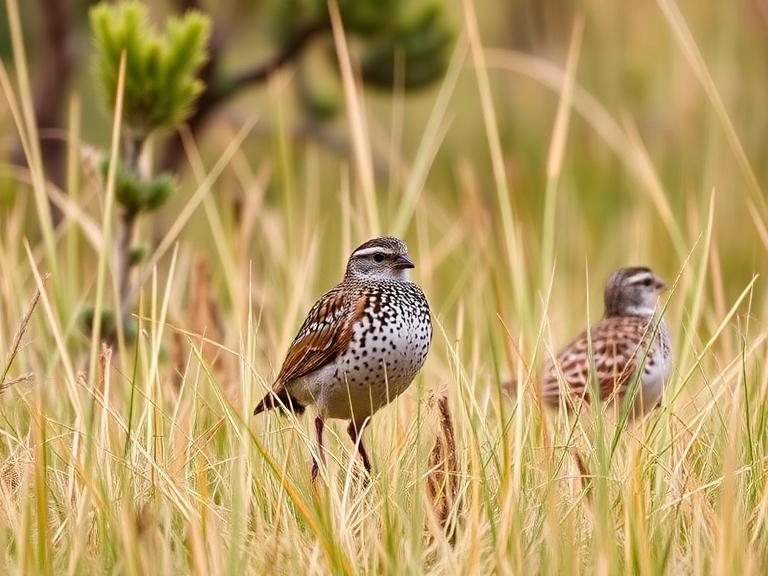
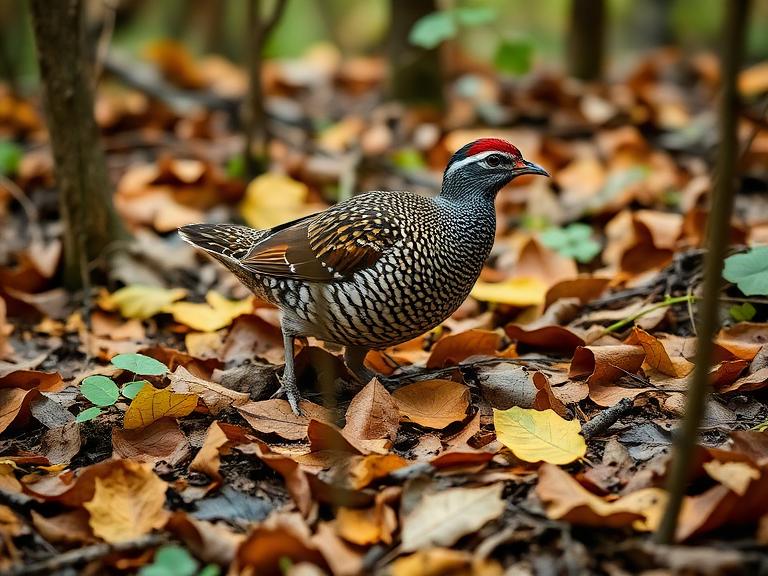
Northern Bobwhite QuailClassic capture

Northern Bobwhite Quail

Colinus virginianus

A covey bird that needs grass, weeds, open pine habitat, and insects. Listen for the whistled 'bob-WHITE!' call to locate a covey before you ever see one.

Where: Pine savannas, old fields, and managed plantations in Florida and Georgia.

Fun fact of the day: A covey of bobwhites sleeps in a tight circle facing outward, ready to explode in every direction.

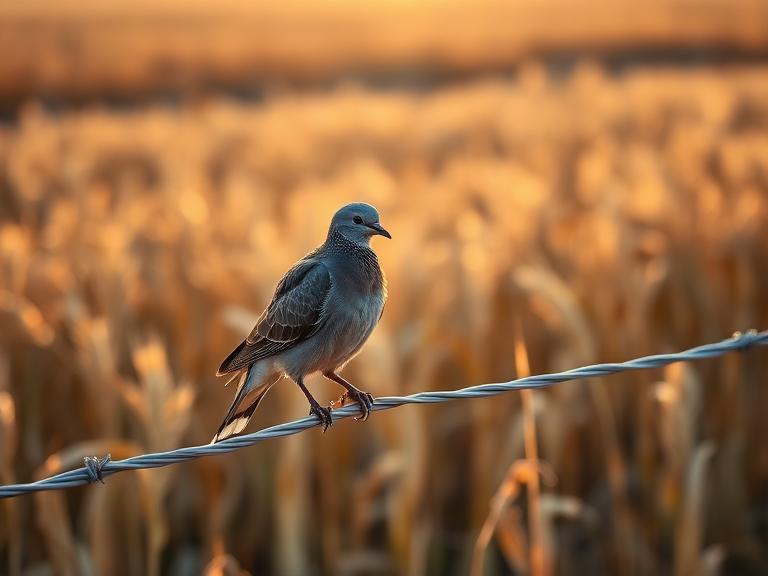
Mourning DoveClassic capture

Mourning Dove

Zenaida macroura

Fast flyers that feed on seeds, often near grain fields. Their whistling wings and mournful cooing are the soundtrack of southern mornings.

Where: Dove fields, farms, powerlines, and open ground in every state.

Fun fact of the day: Mourning doves can fly at 55 mph and drink without lifting their heads β€” rare among birds.

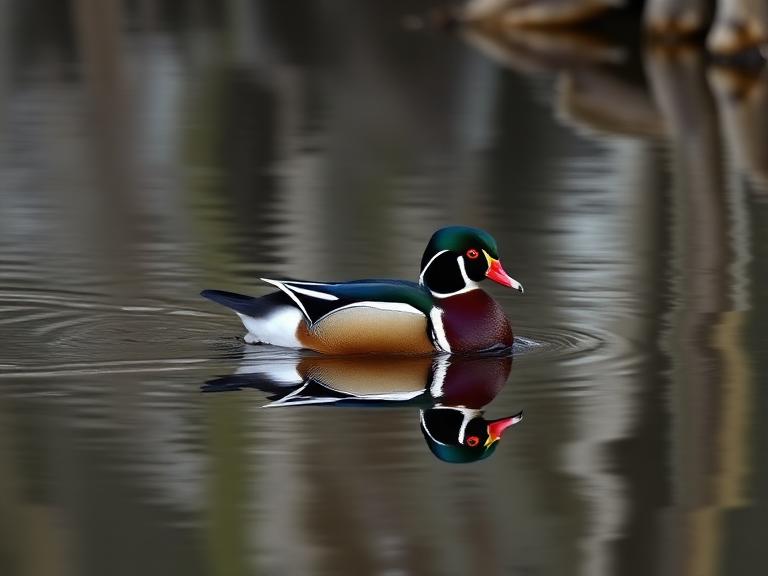
Wood DuckClassic capture

Wood Duck

Aix sponsa

Arguably the most beautiful duck in North America. Nests in tree cavities and feeds in quiet shallow water. Early light on a drake's plumage is a leaderboard-worthy shot.

Where: Wooded swamps, cypress ponds, beaver ponds, and river backwaters.

Fun fact of the day: Day-old wood duck chicks leap up to 50 feet from their nest cavity to the ground β€” and bounce unharmed.

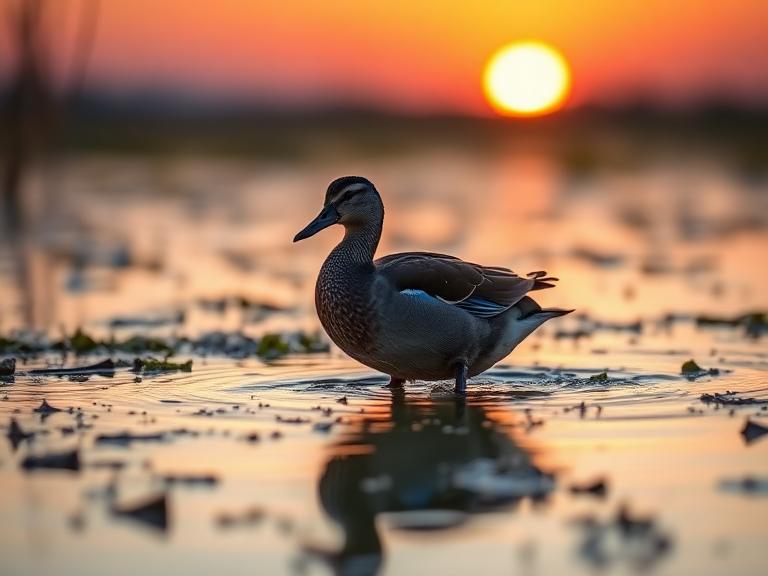
Teal & Dabbling DucksClassic capture

Teal & Dabbling Ducks

Anas spp.

Migratory dabblers that feed in shallow water and fly early and late. Blue-winged and green-winged teal are small, fast, and unforgettable in golden light.

Where: Marshes, lakes, coastal impoundments, and wetlands.

Fun fact of the day: Green-winged teal are among the fastest ducks, twisting through the air like feathered fighter jets.

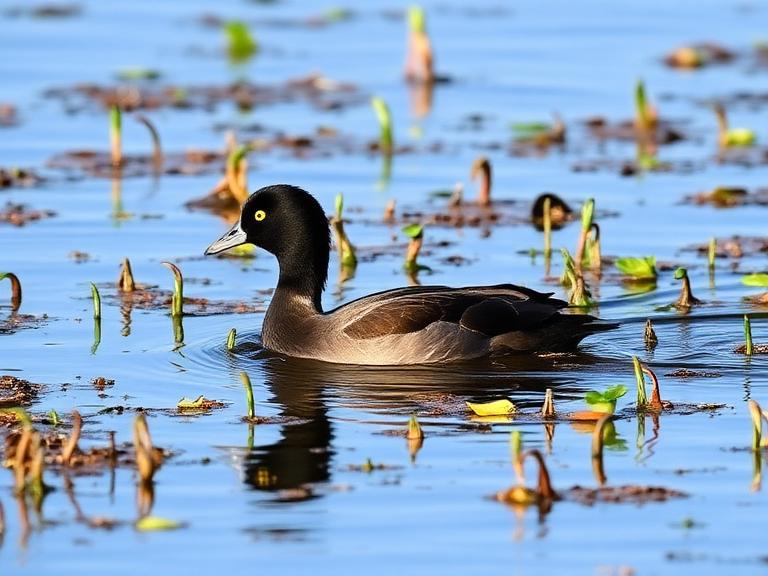
American CootClassic capture

American Coot

Fulica americana

Swims in big chattering groups and feeds on aquatic vegetation. Not a duck at all β€” watch its comical splashing takeoff runs across the water.

Where: Lakes, marshes, and ponds.

Fun fact of the day: Coots have lobed toes instead of webbed feet, making them look like they're wearing leaf-shaped snowshoes.

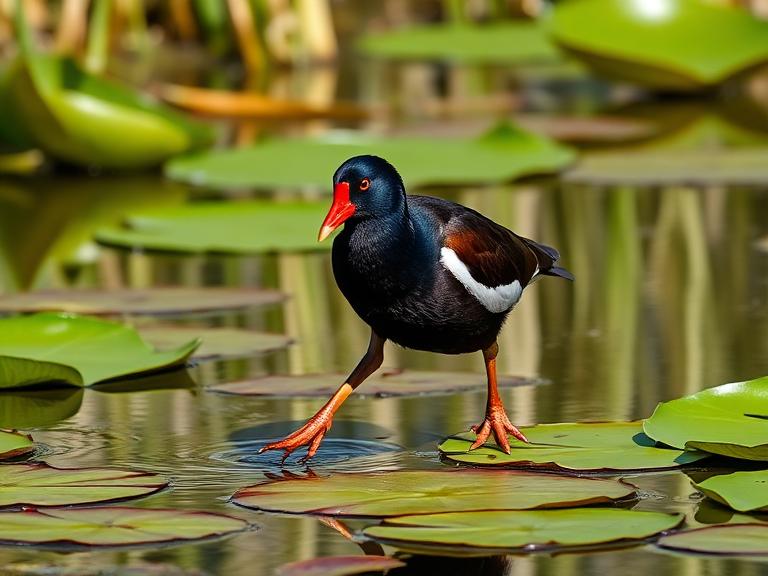
Common GallinuleClassic capture

Common Gallinule

Gallinula galeata

Walks on floating vegetation with enormous feet, secretive but very vocal. Its candy-corn red-and-yellow bill makes for a striking close-up.

Where: Freshwater marshes, cattails, and lily pads.

Fun fact of the day: Gallinule chicks from earlier broods help their parents feed the next round of babies.

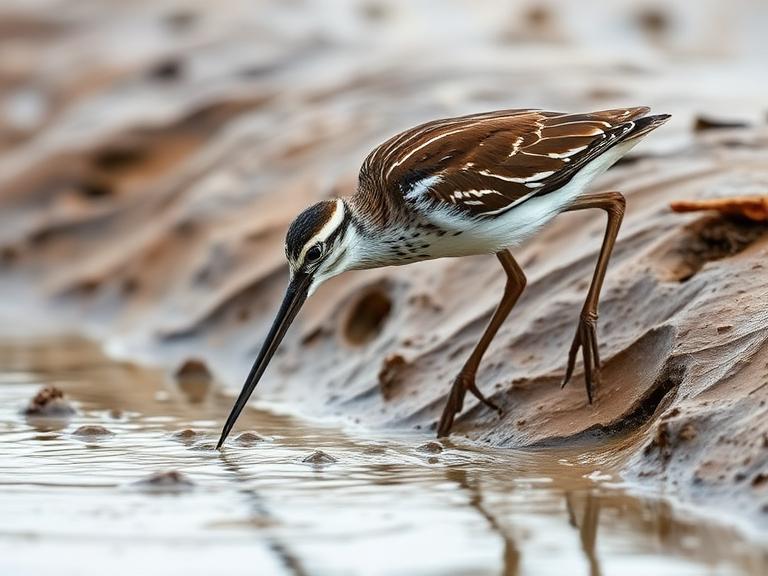
Wilson's SnipeClassic capture

Wilson's Snipe

Gallinago delicata

A zig-zag flyer that probes mud for insects and worms. Yes β€” the snipe hunt is real, and the camera version is the only one that always ends with a trophy.

Where: Wet fields, marsh edges, and muddy flats.

Fun fact of the day: The winnowing sound a snipe makes while diving comes from air rushing over its tail feathers, not its voice.

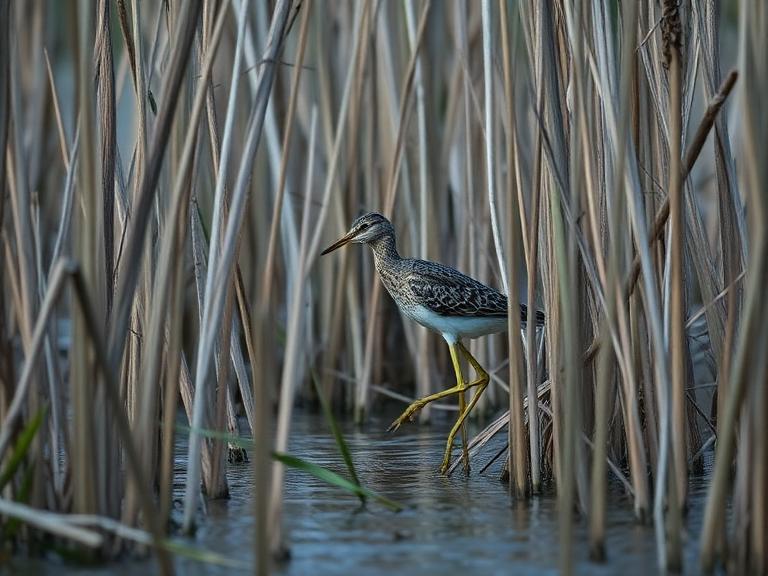
RailsClassic capture

Rails

Rallidae family

Secretive marsh birds that are often heard before they're seen. Catching one in the open is one of the toughest photo challenges in the marsh.

Where: Salt marsh, freshwater marsh, and thick reeds.

Fun fact of the day: The phrase 'thin as a rail' comes from these birds β€” their bodies are laterally compressed to slip between reeds.

American WoodcockClassic capture

American Woodcock

Scolopax minor

A ground bird with a long bill that probes soft soil for worms, famous for its springtime sky-dance display at dusk.

Where: Moist woods, thickets, alder runs, young forest, and creek bottoms.

Fun fact of the day: Woodcocks bob and rock as they walk β€” a dance move the internet has set to every song imaginable.

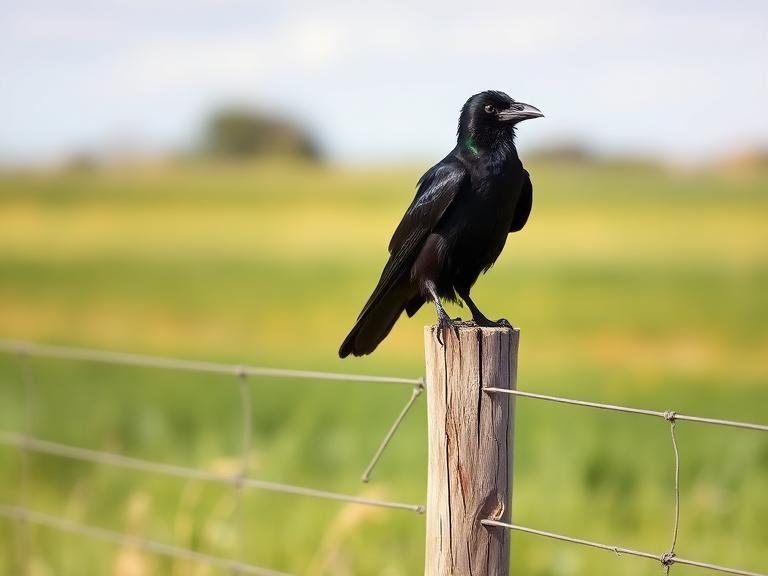
American CrowClassic capture

American Crow

Corvus brachyrhynchos

Smart, social, and endlessly entertaining. Crows feed on insects, carrion, and crops, and their group behavior makes for storytelling photos.

Where: Farms, pinewoods, suburbs, fields, and river corridors everywhere.

Fun fact of the day: Crows recognize individual human faces and hold grudges for years β€” smile for their camera too.

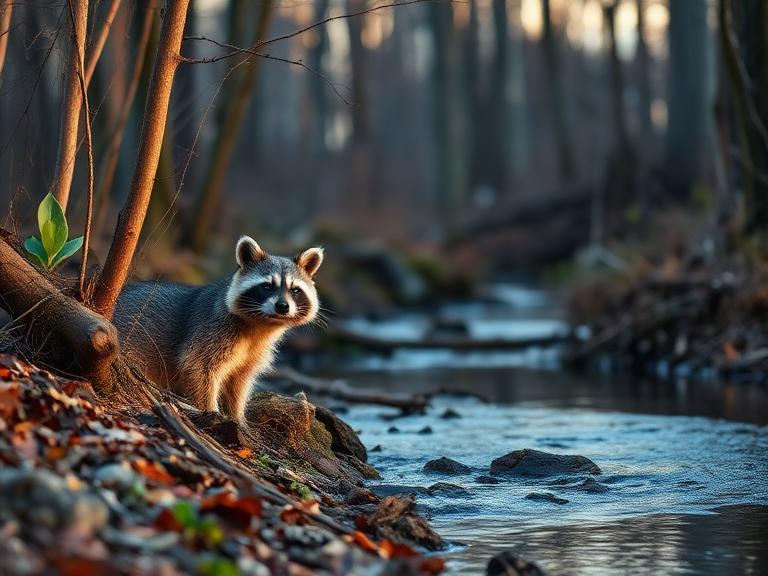
RaccoonClassic capture

Raccoon

Procyon lotor

The masked bandit of the east. Nocturnal, eating fruit, crayfish, eggs, and insects. Dusk near a creek is your best window for a wild capture.

Where: Creeks, swamps, farms, forests, and neighborhoods.

Fun fact of the day: Raccoons 'wash' their food not for cleanliness but because water heightens the sensitivity of their paws.

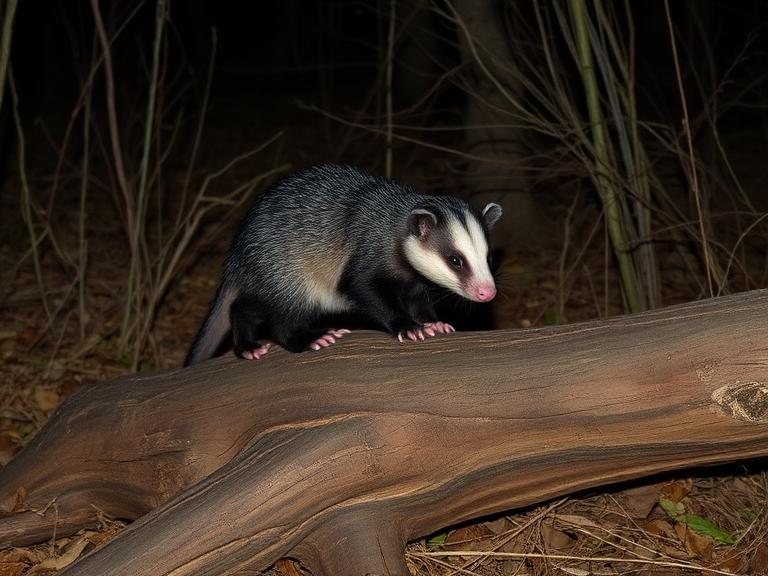
Virginia OpossumClassic capture

Virginia Opossum

Didelphis virginiana

North America's only marsupial. A night-active scavenger of insects, fruit, and carrion β€” and a quiet hero that eats thousands of ticks.

Where: Woods, neighborhoods, farms, and brushy areas.

Fun fact of the day: Playing dead isn't an act β€” opossums faint involuntarily and can stay 'dead' for up to four hours.

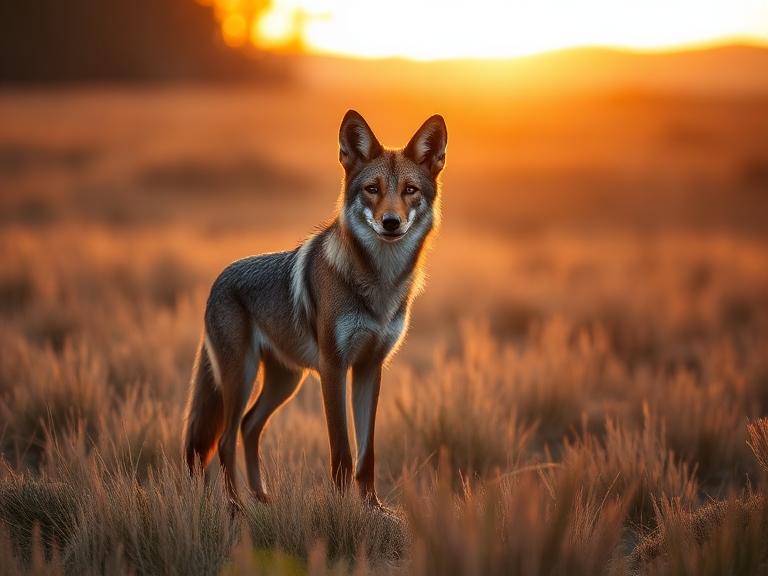
CoyoteClassic capture

Coyote

Canis latrans

The ultimate adaptable predator, hunting rodents and rabbits and scavenging everything else. A clean coyote portrait takes serious fieldcraft.

Where: Farms, woods, suburbs, river valleys, and open country in every state.

Fun fact of the day: Coyotes and badgers sometimes hunt as a team β€” the badger digs, the coyote chases.

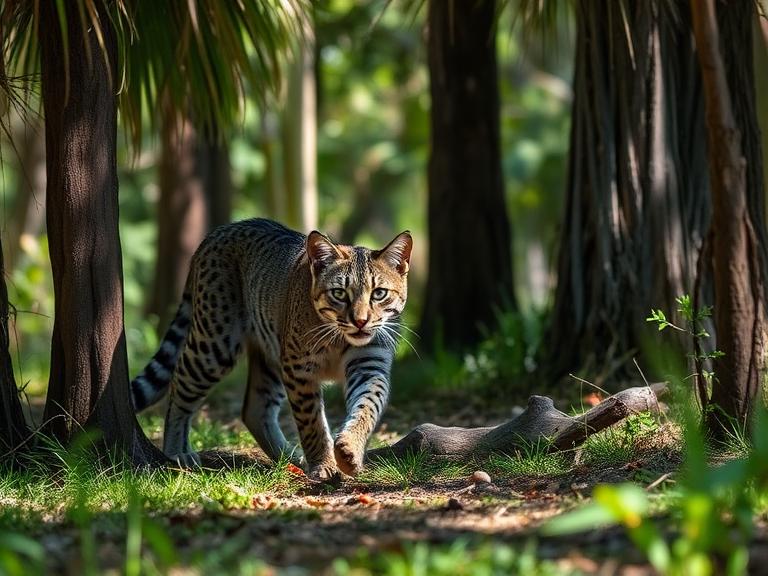
BobcatTrophy capture

Bobcat

Lynx rufus

Solitary and stealthy, hunting rabbits, rodents, and birds mostly at night, dawn, and dusk. Most people never see one β€” a wild bobcat photo is elite.

Where: Swamps, pine flatwoods, hammocks, rocky forests, and brush country.

Fun fact of the day: A bobcat can leap 10 feet to ambush prey, and its stubby 'bobbed' tail gives it its name.

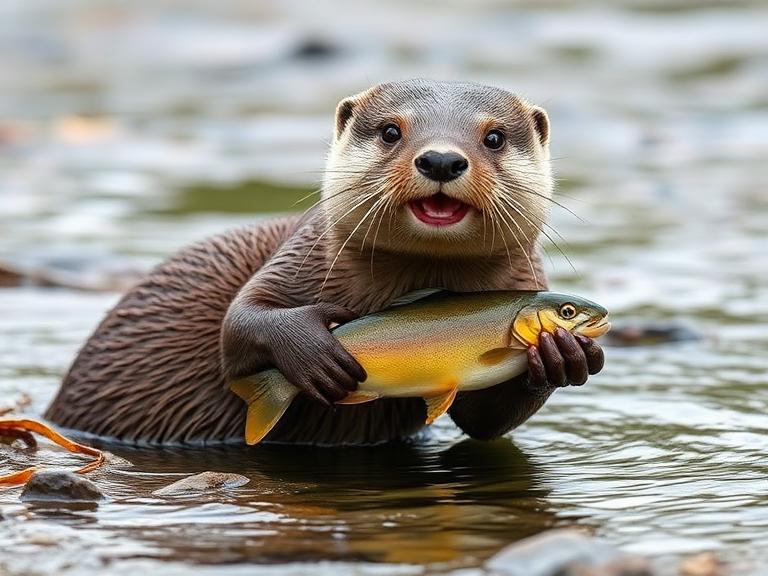
North American River OtterClassic capture

North American River Otter

Lontra canadensis

A playful swimmer that eats fish, crayfish, and frogs. Look for slides on muddy banks β€” otters genuinely play, and the photos prove it.

Where: Rivers, creeks, lakes, and marshes.

Fun fact of the day: Otters hold hands (paws) while sleeping in water so the family doesn't drift apart.

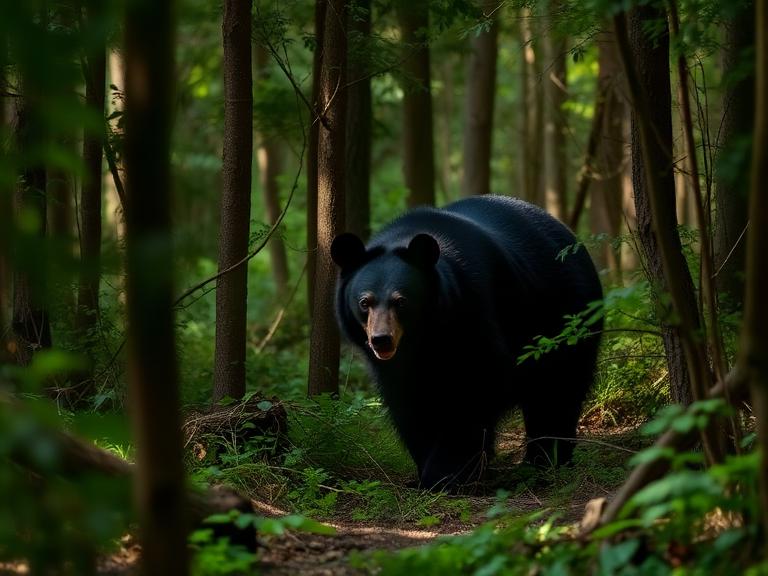
Black BearTrophy capture β€” keep distance

Black Bear

Ursus americanus

Solitary and food-driven, with a sense of smell seven times sharper than a bloodhound's. Use a long lens and never approach or feed a bear.

Where: Large forests and swamps: Ocala NF, Big Cypress, north Georgia mountains, PA big woods, Adirondacks and Catskills.

Fun fact of the day: Black bears can run 35 mph β€” faster than an Olympic sprinter β€” and climb trees like it's nothing.

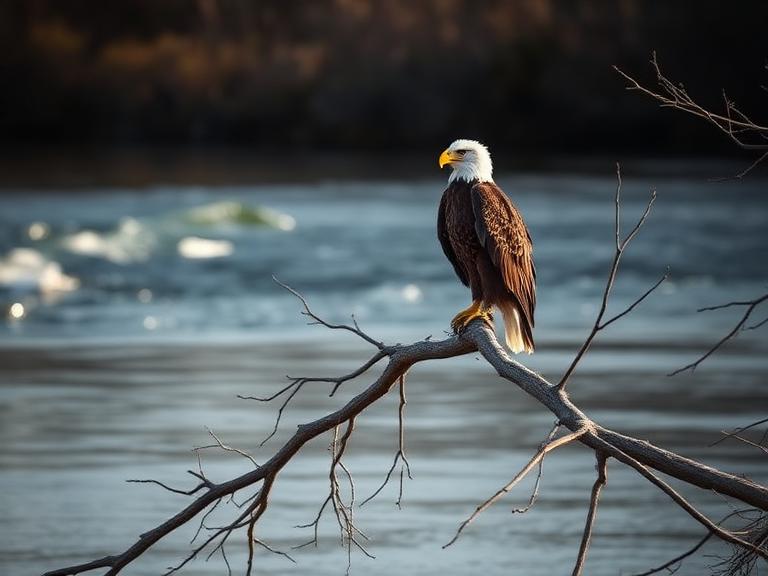
Bald EagleProtected β€” watch only

Bald Eagle

Haliaeetus leucocephalus

Federally protected. Never approach a nest β€” use a long lens from public viewpoints. A fish-grab sequence is the ultimate east coast capture.

Where: Rivers, lakes, and reservoirs β€” a comeback story across all four states.

Fun fact of the day: An eagle's grip is about ten times stronger than a human handshake.

Florida PantherEndangered β€” viewing only

Florida Panther

Puma concolor coryi

Fewer than 250 remain. Extremely rare to see β€” best chance is dawn or dusk from roads or refuge trails with a long lens. Never follow tracks off-trail or approach one.

Where: Southwest Florida: Big Cypress, Everglades region, Florida Panther NWR.

Fun fact of the day: Every living Florida panther descends from a tiny population that survived in the Big Cypress swamp.

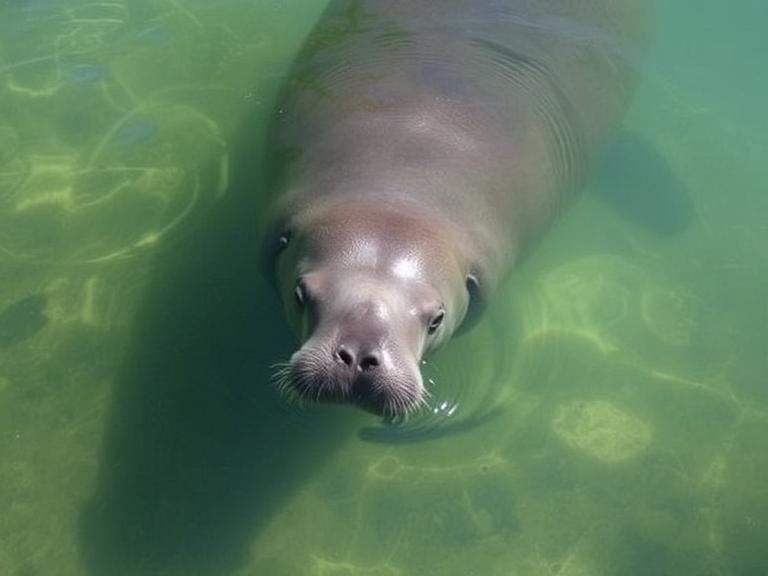
Florida ManateeProtected β€” viewing only

Florida Manatee

Trichechus manatus latirostris

The gentle sea cow. Federally protected β€” never touch, chase, feed, or block one. Winter springs like Crystal River and Blue Spring offer legal, respectful viewing.

Where: Springs, rivers, and coastal waters throughout Florida.

Fun fact of the day: Manatees are more closely related to elephants than to any marine mammal.